Restaurant Brands QSR reflects a macroeconomic environment defined by persistent inflation, elevated labor costs, and consumer trade-down behavior toward lower-cost food options.
Restaurant Brands QSR: Trade-Down Consumption Macro Outlook
Executive Summary: A Pricing Power, Labor Scarcity, and Trade-Down Consumption Thesis
The macroeconomic environment heading into 2026 is defined by persistent inflation, elevated labor costs, and a consumer increasingly constrained by higher interest rates. In such regimes, consumption does not disappear — it re-allocates. Spending shifts away from discretionary experiences and toward lower-cost, high-frequency consumption categories.
Within this framework, Restaurant Brands International Inc (NYSE: QSR) represents exposure to a trade-down consumption regime, where consumers seek affordability, convenience, and predictable pricing. This is not a brand story; it is a macro thesis about how food consumption behaves when household budgets tighten and labor becomes expensive.
QSR’s relevance stems from pricing power, franchised cost insulation, and scale advantages in an inflation-constrained economy.
The Macro Backdrop: Inflation Changes How Consumers Eat
Inflation does not eliminate food consumption — it changes where and how it occurs. As food-at-home and food-away-from-home prices rise, consumers increasingly substitute:
-
Full-service dining → quick service
-
Higher-priced meals → value offerings
-
Infrequent splurges → frequent, lower-ticket purchases
This trade-down behavior is a consistent macro pattern during periods of real income compression. It does not require recession — only persistent cost pressure.
Quick-service formats historically benefit from this reallocation, capturing volume even as overall discretionary spending slows.
Pricing Power Matters More Than Volume Growth
In a high-inflation environment, the key macro distinction is not demand growth, but pricing power without demand destruction. Companies that can adjust prices incrementally while maintaining traffic are structurally advantaged.
Quick-service operators benefit from:
-
Low absolute ticket prices
-
High purchase frequency
-
Embedded consumer habits
This allows for small, frequent price adjustments that are absorbed more easily than large price shocks in discretionary categories.
From a macro lens, this creates revenue durability even when real incomes are pressured.
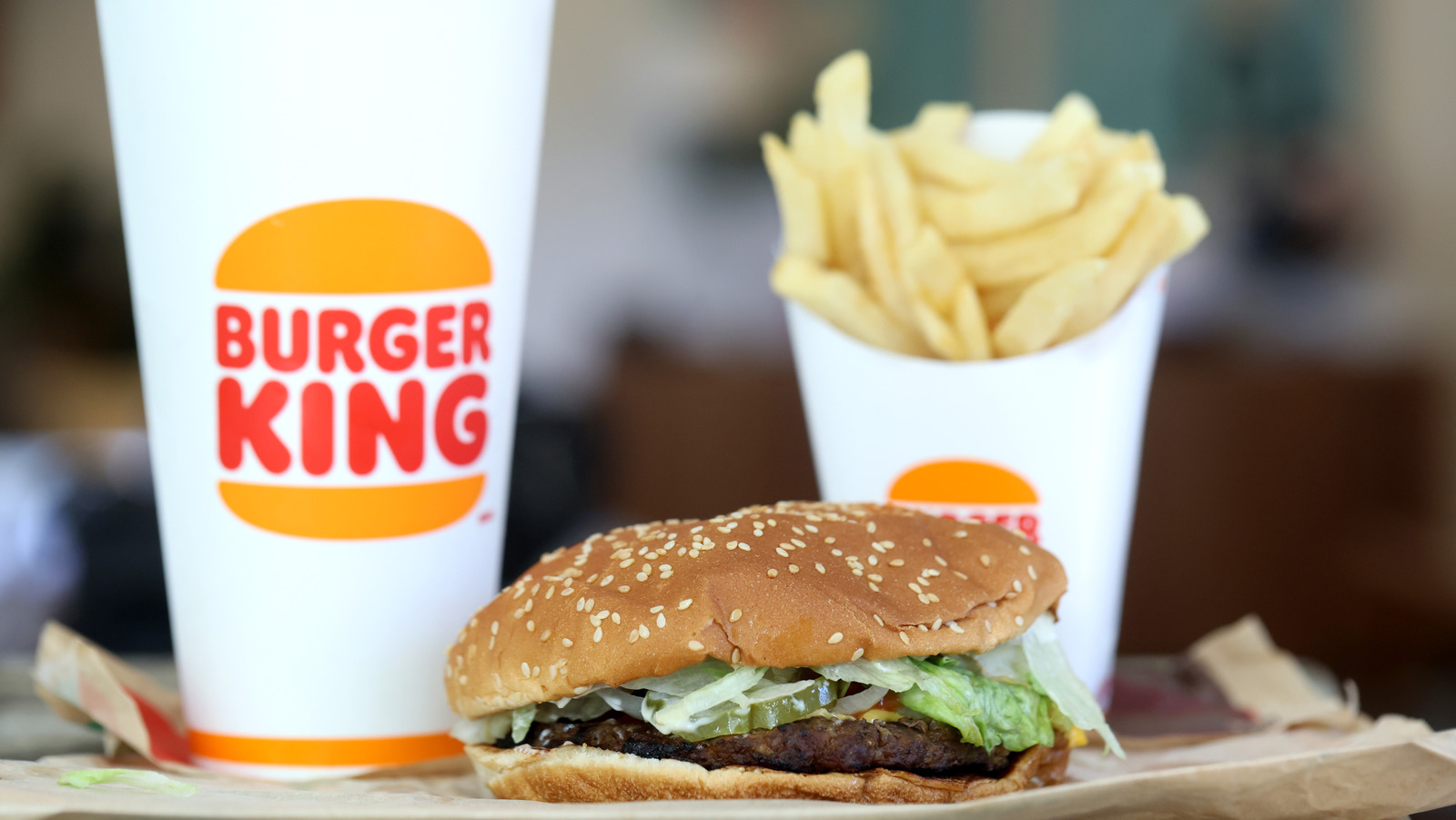
Labor Scarcity Favors Franchised, Scaled Models
Another defining macro force is labor scarcity, particularly in service sectors. Higher wages, turnover, and regulatory friction increase operating leverage risk for labor-intensive businesses.
Franchised models shift much of this risk away from the corporate entity while still preserving:
-
Royalty-based revenue streams
-
Brand-driven pricing leverage
-
System-wide scale efficiencies
This structure becomes more valuable as labor costs remain sticky even if inflation moderates.
MacroHint has previously examined how asset-light, fee-based models outperform during cost-inflated cycles
(see: https://www.macrohint.com/why-markets-move-before-the-economy).
QSR’s structure fits this macro profile.
Global Diversification as a Macro Stabilizer
Geographic diversification acts as a macro hedge when inflation, currency dynamics, and growth diverge across regions. Global consumer brands benefit from:
-
Currency translation offsets
-
Regional pricing flexibility
-
Asynchronous economic cycles
This diversification reduces dependence on any single consumer economy and smooths cash flows during localized slowdowns.
From a macro perspective, global franchised food systems behave more like consumer infrastructure than discretionary retail.
Why 2026 Favors Value-Oriented Consumption Models
Looking ahead, the macro regime entering 2026 is characterized by:
-
Elevated real borrowing costs
-
Slower wage growth relative to prices
-
Persistent cost sensitivity among consumers
-
Continued labor and input cost pressure
These forces favor value-oriented, high-frequency consumption models over premium or experiential spending categories.
QSR’s macro relevance lies in its alignment with how consumers economize, not how they expand spending.
Volatility Reflects Macro Repricing, Not Demand Fragility
Equities tied to consumer spending often experience volatility during rate and inflation repricing cycles. This volatility reflects:
-
Margin sensitivity concerns
-
Input cost uncertainty
-
Broad risk-off rotations
For macro investors, this volatility often obscures the structural stability of demand, particularly in food categories where consumption cannot be deferred indefinitely.
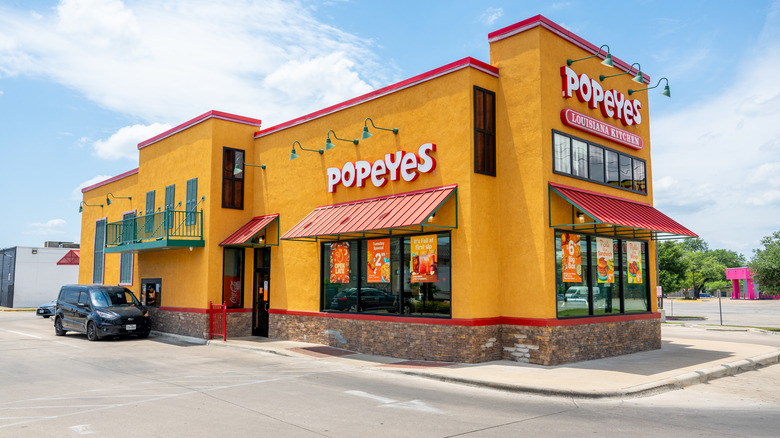
Conclusion: QSR as a Macro Expression of Trade-Down Consumption
Heading into 2026, the macro environment increasingly rewards exposure to:
-
Trade-down consumer behavior
-
Pricing power in essential spending
-
Labor-insulated, franchised models
-
High-frequency consumption economics
Within this framework, Restaurant Brands International Inc (NYSE: QSR) makes sense not as a restaurant stock, but as a macro expression of how consumers adapt when inflation and rates constrain discretionary budgets.
It is exposure to where consumers go when they need value, not indulgence.
DISCLAIMER:
This analysis of the aforementioned stock security is in no way to be construed, understood, or seen as formal, professional, or any other form of investment advice. We are simply expressing our opinions regarding a publicly traded entity.
© 2025 MacroHint.com. All rights reserved.

Michael Lazenby is the Editor-in-Chief and Founding Partner of MacroHint. He studied economics, business, and government at UT Austin and has hedge fund experience.