Texas Instruments to Acquire Silicon Labs in $7.5B Deal
Texas Instruments has announced a major strategic move with its plan to acquire Silicon Labs in a $7.5 billion deal, reshaping its position in the semiconductor industry.
Sponsored by Lake Region State College
(Your future in business, finance, and tech begins at Lake Region.)
Overview: What the Texas Instruments–Silicon Labs Deal Means
Texas Instruments has announced a $7.5 billion acquisition of chip designer Silicon Laboratories in a deal that will fundamentally reshape TI’s product portfolio, customer reach, and long-term position in the semiconductor industry.
TI will pay $231 per share, representing roughly a 69% premium to Silicon Labs’ last unaffected closing price. This is one of the largest semiconductor acquisitions of the mid-2020s and is aimed squarely at capturing the next decade of growth in wireless connectivity and the Internet of Things (IoT).
Unlike AI-focused firms such as Nvidia or AMD, Texas Instruments specializes in analog, embedded, and power-management chips—the “quiet backbone” of everything from vehicles and medical devices to smartphones and industrial machinery. With this deal, TI is going deeper into the connectivity layer that allows these devices to communicate.
Why Texas Instruments Is Buying Silicon Labs
1. A Direct Play on Wireless Connectivity Leadership
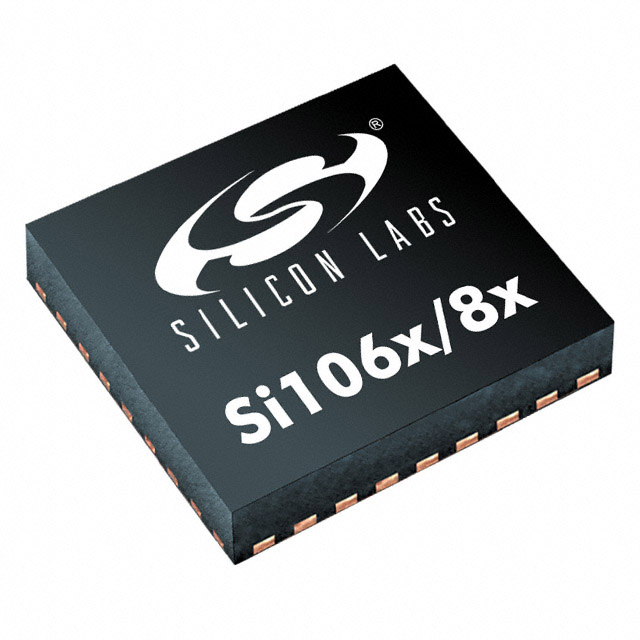
Silicon Labs is one of the global leaders in low-power wireless solutions, providing Bluetooth, Wi-Fi, Zigbee, Thread, Sub-GHz, and other RF technologies that power:
-
Smart homes
-
Industrial sensors
-
Medical wearables
-
Automotive connectivity
-
Energy infrastructure
-
Smart meters and grid systems
Texas Instruments has long been dominant in analog signal processing, but it lacked equivalent scale in modern wireless standards. Silicon Labs instantly fills that gap.
2. Accelerating TI’s Push Into IoT
IoT is one of the most durable semiconductor megatrends of the next decade. Billions of devices are coming online, requiring:
-
Sensors
-
Embedded processors
-
Wireless radio chips
-
Low-power communication stacks
TI already sells the power chips and signal chain components; now it gains full-stack connectivity.
3. Expanding Competitive Reach Across Key Markets
This deal strengthens TI’s positioning in major verticals:
-
Industrial automation
-
Automotive systems
-
Consumer devices
-
Medical technology
-
Communications and energy networks
It gives TI more cross-selling power and a more defensible product ecosystem—similar to the strategy used by NXP, STMicro, and Qualcomm.
4. Talent, IP, and Standards Leadership
TI isn’t just buying revenue. It’s buying:
-
Advanced RF engineering teams
-
Patented wireless IP
-
Mature software stacks used by global OEMs
-
Long-standing relationships across the IoT sector
This dramatically accelerates TI’s roadmap without needing to build connectivity platforms from scratch.

What Premium Is TI Paying—and Why?
TI is paying a 69% premium, which is high by semiconductor standards. But Silicon Labs operates in a niche where:
-
Customer switching costs are high
-
Wireless standards take years of engineering
-
IP portfolios are extremely valuable
-
Integration into analog/embedded systems creates long-term revenue stickiness
TI is effectively paying to secure crucial intellectual property and lock down a growth engine that competitors could have pursued.
Macro Backdrop: Why This Deal Is Happening Now
The timing aligns with several major macro and sector shifts:
1. Industrial Demand Is Finally Recovering
Industrial markets—one of TI’s biggest revenue drivers—are showing early signs of a cyclical rebound. A stronger wireless and embedded portfolio helps TI capture more of that recovery.
2. AI Infrastructure Quietly Boosts TI
TI isn’t selling GPUs, but AI data centers need:
-
Power management
-
Thermal controllers
-
Signal conditioning
-
Networking support
These behind-the-scenes chips are TI’s specialty.
3. Automotive Electronics Are Increasing in Complexity
Even with short-term auto softness, long-term demand for:
-
Sensors
-
Wireless connectivity
-
Safety systems
-
Driver-assist electronics
…continues to rise. Silicon Labs will help TI deepen its auto-sector footprint.
4. The Onshoring Trend Rewards U.S.-Centric Manufacturers
TI has one of the largest U.S.-based semiconductor manufacturing footprints. Adding Silicon Labs strengthens TI’s strategic position as supply chains reorient.
Regulatory Outlook: Will Texas Instruments Receive Approval?
This is one of the most important investor questions.
Here is the fully objective, accurate assessment of how global regulators will likely evaluate the deal.
1. Who Reviews the Deal?
The acquisition will be reviewed by:
-
The U.S. Department of Justice or FTC
-
The European Commission
-
The UK Competition and Markets Authority
-
Potentially China’s SAMR and other jurisdictions
2. Does the Deal Reduce Competition?
Regulators look closely at market concentration. In this case:
-
TI is dominant in analog, but not in wireless connectivity.
-
Silicon Labs is strong in low-power wireless, but the market is broad and competitive.
-
Competitors like NXP, STMicro, Nordic, Infineon, Qualcomm, Espressif, and others remain significant players.
There is overlap, but not enough to eliminate a critical rival in a concentrated market.
3. Does It Trigger Presumptively Illegal Thresholds?
Under modern merger guidelines, a deal is suspect if:
-
Market share exceeds ~30% in a narrow product market, and
-
The merger meaningfully increases concentration.
Based on current market structure, neither condition appears to be met.
4. Vertical Concerns
Regulators may examine whether TI could:
-
Tie or bundle analog + wireless solutions
-
Foreclose competition among smaller chip vendors
-
Reduce interoperability of wireless standards
But IoT standards (Bluetooth, Wi-Fi, Zigbee, etc.) are open ecosystems with many global suppliers, making foreclosure harder.
5. Expected Outcome
Most likely:
Approval after a detailed review
Possibly with behavioral commitments (e.g., interoperability assurances)
Unlikely:
Full regulatory block
Forced divestitures
The market structure simply doesn’t present the kind of dominant, competition-killing scenario regulators tend to act against.
What This Means for TI Investors
Bullish Factors
-
Larger total addressable market
-
Leadership in both analog + wireless
-
Synergy between power, embedded, and connectivity
-
Strengthened competitive moat
-
IoT, industrial, and auto growth tailwinds
-
Higher-margin IP portfolio
Risks
-
Integration complexity
-
A high purchase price
-
Potential for regulatory conditions
-
Wireless competition remains intense
-
Macroeconomic uncertainty still lingering
Bottom Line: A Transformative and Long-Term Bullish Move
The Silicon Labs acquisition represents a major strategic leap for Texas Instruments. It expands TI’s footprint in the technologies that will drive the next decade of connectivity, energy management, and automation.
The deal strengthens TI’s position across multiple end markets, enhances its IP and engineering arsenal, and aligns perfectly with global macro trends in IoT and industrial recovery.
From a strategic and competitive standpoint, the acquisition is clearly long-term bullish—and regulatory approval appears more likely than not.
Overall, this deal positions Texas Instruments for a stronger, more diversified, and more resilient future.
Disclaimer
This article is for informational and educational purposes only and does not constitute financial, investment, or legal advice. All opinions reflect publicly available information and reasonable analysis as of the publication date. Readers should conduct their own independent research or consult a qualified financial professional before making any investment decisions.

Michael Lazenby is the Editor-in-Chief and Founding Partner of MacroHint. He studied economics, business, and government at UT Austin and has hedge fund experience.