Henry Schein Stock: Does It Make Sense in Today’s Macro Environment?
Henry Schein stock sits at the intersection of defensive healthcare demand, interest rate sensitivity, and a slowly normalizing macroeconomic environment.
In an economic environment defined by cooling—but not conquered—inflation, a Federal Reserve firmly in wait-and-see mode, and consumers still behaving cautiously, investors are increasingly drawn to companies that can hold their footing without a booming economy, yet still benefit if conditions quietly improve.
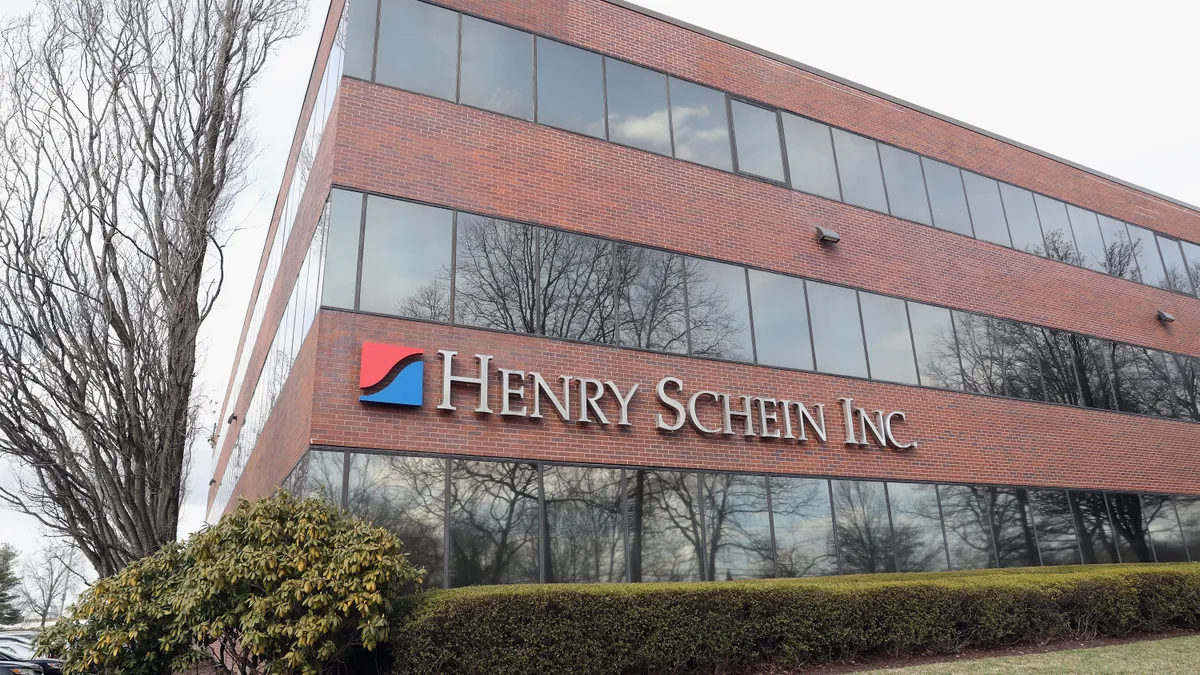
That brings us to Henry Schein (NASDAQ: HSIC)—one of the largest distributors of dental and medical supplies in the world.
The question is not whether Henry Schein is a solid business. The question is whether it makes sense right now, under the precise macroeconomic conditions currently unfolding. Below is a fully objective, macro-driven assessment.
The Current Macro Backdrop (Why Timing Matters)
As of early 2026, the macro picture looks roughly like this:
-
Inflation has eased meaningfully but remains above the Fed’s long-term target
-
Interest rates appear near neutral, with cuts possible but not guaranteed
-
Consumers are cautious, but not retrenching sharply
-
Healthcare demand remains structurally resilient, even as discretionary spending slows
This is not a recessionary collapse—and also not a reflationary boom. That distinction is critical for understanding Henry Schein’s setup.
What Does Henry Schein Stock Actually Do? (Plain-English Explanation)
At its core, Henry Schein is a critical middleman for healthcare providers, especially dentists.
It does not treat patients and does not manufacture most of what it sells. Instead, it makes money by supplying, servicing, and supporting the products and systems that medical and dental offices need to function day-to-day.
Think of Henry Schein as the behind-the-scenes infrastructure of a dental or medical practice.
What Henry Schein Sells
Henry Schein operates across three main categories:
1. Consumable Supplies (Recurring Revenue)
Items clinics use every single day, including:
-
Gloves, masks, and infection-control products
-
Dental instruments and tools
-
Syringes, needles, and basic medical supplies
This segment is highly stable because clinics cannot operate without these products.
2. Equipment (Lumpy, Rate-Sensitive Revenue)
Larger purchases such as:
-
Dental chairs
-
Imaging and diagnostic systems
-
Digital dentistry and scanning equipment
These purchases are often financed, making them sensitive to interest rates.
3. Software & Practice Services (Sticky, Higher Margin)
Including:
-
Practice management and billing software
-
Scheduling systems
-
IT and consulting services
Once a clinic adopts these systems, switching providers is costly and disruptive—creating durable customer relationships.
How Henry Schein Makes Money
Henry Schein generates profit through:
-
Distribution margins (buying from manufacturers and selling to clinics at a markup)
-
Service and software fees
-
Scale efficiency, running a logistics network few competitors can match
This is a volume-driven, operationally complex business, not a hype-driven growth story.
Why Henry Schein Fits the Current Macro Environment
1. Defensive Demand Holds Up in Slow Growth
Dental and medical care are among the last categories consumers abandon. While cosmetic or elective procedures may slow, routine care continues.
Recent industry data shows:
-
Patient volumes are stable
-
Clinics remain operationally busy
-
No evidence of systemic demand collapse
That places Henry Schein squarely in the defensive growth category—a favorable position when macro visibility is limited.
2. Inflation Is No Longer a Major Headwind
Input costs have moderated from post-pandemic peaks, while pricing remains elevated relative to pre-2022 levels. For a distributor like Henry Schein:
-
Consumables allow for frequent repricing
-
Moderate inflation supports pricing discipline
-
Gross margins can be defended if volumes hold
This is not margin expansion—but it is margin preservation, which markets often reward in uncertain environments.
3. Rate Sensitivity Creates Asymmetric Upside
Henry Schein carries variable-rate debt tied to short-term benchmarks. In practical terms:
-
Rates no longer rising removes a key headwind
-
Any future cuts directly reduce interest expense
-
Clinics become more willing to finance equipment purchases
HSIC does not require aggressive rate cuts to perform—but it meaningfully benefits if they occur.
4. Self-Help Matters More Than Macro
Henry Schein is also executing on identifiable internal initiatives:
-
Cost-reduction programs
-
Distribution efficiency improvements
-
Portfolio simplification
-
Margin recovery efforts
In slow macro environments, stocks with credible self-help levers often outperform those reliant solely on demand acceleration.
The Macro Risks Investors Must Acknowledge
1. Demand Is Stable—Not Accelerating
Dental spending is growing slowly, but:
-
Patient volumes are not surging
-
Equipment purchases remain financing-sensitive
-
There is no cyclical snapback underway
This caps near-term upside.
2. Policy and Reimbursement Risk Exists
Adult dental benefits under Medicaid are optional at the state level. Fiscal pressure could lead to:
-
Reduced coverage
-
Lower visit frequency among certain patient groups
-
Marginal volume pressure in public-pay segments
This is a risk to monitor, not a thesis-breaker.
3. HSIC Is Not an Inflation Hedge
If inflation re-accelerates and rates rise again:
-
Financing costs increase
-
Equipment demand weakens
-
Competitive pricing pressure intensifies
Henry Schein performs best in disinflationary or stable-price environments.
Bottom Line: Does Henry Schein Make Sense Right Now?
Yes—conditionally.
Henry Schein makes sense if your macro base case is:
-
Slow but positive growth
-
No deep recession
-
Stable or gently declining interest rates
In that scenario, HSIC offers:
-
Defensive revenue
-
Margin stability
-
Operational self-help
-
Rate-cut optionality
No—if your outlook assumes:
-
Higher-for-longer rates
-
Renewed inflation pressure
-
Meaningful healthcare utilization declines
This is not a momentum trade or a macro lottery ticket. It is a measured positioning choice for investors expecting a drawn-out, uneven economic normalization.
Sponsor Note
This article is sponsored by Lake Region State College (LRSC), a public two-year institution in North Dakota offering affordable, career-focused programs in business, healthcare, aviation, and technical education. LRSC supports practical education that prepares students for real-world economic and workforce challenges.
Disclaimer
This article is for informational and educational purposes only and does not constitute investment advice, a recommendation, or an offer to buy or sell any securities. All opinions are based on publicly available information and current macroeconomic conditions, which are subject to change. Readers should conduct their own research or consult a licensed financial advisor before making investment decisions.

Michael Lazenby is the Editor-in-Chief and Founding Partner of MacroHint. He studied economics, business, and government at UT Austin and has hedge fund experience.