SBRY Stock 2026: Does J Sainsbury Still Make Sense?
SBRY stock 2026 reflects a defensive UK retailer benefiting from trade-down behavior, stabilizing food inflation, and a late-cycle macro environment.
UK equities sit at an unusual crossroads in 2026: inflation has cooled, interest rates remain restrictive but are drifting lower, and consumers are still under pressure from years of real-income erosion. In that environment, defensive, scale-driven retailers matter far more than speculative growth stories.
That puts J Sainsbury plc (LON: SBRY) squarely in focus.
Below is a fully objective, macro-driven assessment of whether Sainsbury’s makes sense right now, given the UK’s cost-of-living dynamics, food inflation normalization, and shifting consumer trade-down behavior.
What Sainsbury’s Actually Is
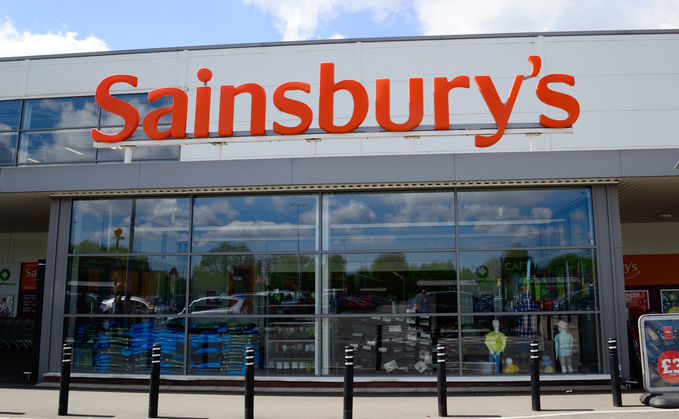
J Sainsbury plc is the second-largest supermarket group in the UK, operating across:
-
Sainsbury’s grocery stores (core food retail)
-
Argos (value-oriented general merchandise)
-
Convenience formats (Local / Express)
-
Fuel retail
-
Tu Clothing
-
Loyalty ecosystem (Nectar)
This is not a pure grocery chain. It is a multi-channel, scale retailer embedded in everyday UK consumption.
That matters enormously in a macro environment defined by pressure on discretionary spending.
Is SBRY Stock 2026 Still a Smart UK Defensive Play?
The UK consumer in 2026 is still dealing with:
-
Elevated mortgage costs versus pre-2022 norms
-
Rent inflation lagging wage growth
-
Real wage recovery that is uneven, not universal
In this setting:
-
Food spending is non-discretionary
-
Consumers trade down, not out
-
Market share shifts toward value-efficient incumbents
This is historically the environment where large grocers outperform the broader retail sector.
Why Sainsbury’s Is Structurally Well-Positioned
1. Trade-Down Dynamics Are a Tailwind, Not a Threat
As inflation recedes, consumer behavior does not immediately revert. Shoppers remain price-sensitive and loyal to:
-
Own-label products
-
Promotions
-
Loyalty programs
Sainsbury’s benefits from:
-
A strong private-label offering
-
Broad price ladders (premium → value)
-
Nectar-driven data and pricing power
This allows it to protect volumes even as margins normalize.
2. Food Inflation Is Falling, But Margin Risk Is Receding
During peak inflation, UK grocers absorbed significant cost pressure. Now:
-
Input inflation is moderating
-
Supplier negotiations are rebalancing
-
Pricing volatility is declining
For Sainsbury’s, this creates:
-
Better gross margin visibility
-
Less earnings whiplash
-
Improved cash flow planning
Stability matters more than growth in late-cycle macro conditions.
3. Argos Adds Counter-Cyclical Optionality
Argos plays a subtle but important role:
-
Value-oriented discretionary spending
-
Click-and-collect efficiency
-
Lower cost structure than traditional big-box retail
In downturn-leaning environments, value general merchandise often holds up better than premium discretionary, giving Sainsbury’s diversification that pure grocers lack.
Balance Sheet and Capital Discipline Matter Right Now
Sainsbury’s has spent recent years:
-
Reducing leverage
-
Tightening capital allocation
-
Prioritizing cash returns
In a macro environment where:
-
Rates are still elevated
-
Refinancing costs matter
-
Investors reward cash flow certainty
This discipline is a meaningful equity support.
The business doesn’t need aggressive growth to work — it needs predictable execution.
What the Market Is Still Worried About
UK Consumer Fragility
A sharper-than-expected economic slowdown could:
-
Pressure volumes
-
Increase promotional intensity
-
Compress margins again
However, this risk is sector-wide, not Sainsbury-specific.
Competitive Price Wars
The UK grocery market is fiercely competitive, especially with:
-
Discounters
-
Aggressive promotions
That said, scale players like Sainsbury’s are best positioned to survive and defend margins when competition intensifies.
Valuation: Defensive, Not Exciting — And That’s the Point
SBRY does not trade like a growth stock. It trades like:
-
A cash-generative defensive
-
A yield-supported equity
-
A macro stabilizer, not a momentum play
In uncertain macro regimes, this profile is often underappreciated until volatility returns.
Bottom Line: Does Sainsbury’s Make Sense Right Now?
Yes — if you want macro resilience, not excitement.
J Sainsbury plc makes sense if you believe:
-
UK consumers remain value-focused
-
Food inflation volatility continues to decline
-
Defensive cash-flow businesses outperform cyclicals
It does not make sense if:
-
You expect a sharp rebound in discretionary spending
-
You’re looking for rapid EPS growth
-
You prefer high-beta UK equities
Sainsbury’s is best viewed as a UK defensive compounder — quietly durable, operationally disciplined, and well-aligned with today’s macro reality.
Sponsor Note
This article is sponsored by Lake Region State College (LRSC) — supporting practical education, financial literacy, and real-world economic understanding.
Disclaimer
This content is for informational purposes only and does not constitute investment advice. Investing involves risk, including loss of principal. The author may hold positions in securities discussed. Readers should conduct their own due diligence or consult a licensed financial advisor before making investment decisions.

Michael Lazenby is the Editor-in-Chief and Founding Partner of MacroHint. He studied economics, business, and government at UT Austin and has hedge fund experience.